Instagram Ads Cost — What a Small Business Will Pay in 2026
"How much do Instagram ads cost?" sounds like it should have a price tag. It doesn't. Instagram runs on an auction, you set the budget, and what you get for it depends on your audience, your offer and your creative. But "it depends" doesn't help anyone plan a month, so here's what Instagram ads cost a small business in 2026, what pushes the number up or down and how to tell if the spend is paying off. It's the same math we run before any paid ads campaign goes live for a client.
One note before the numbers: this post is about cost. If you want the step-by-step on building the campaign itself, our guide to how to run Instagram ads walks a first campaign from setup through results.
The Short Answer
- Cost per 1,000 impressions (CPM): roughly $5–$15.
- Cost per click: roughly $0.50–$2.
- Cost per lead: anywhere from a few dollars to well over $50, depending on your industry and offer.
- A sensible test budget: $20–$50 a day for two weeks, which works out to about $280–$700.
- A first real month: about $600–$1,500 in ad spend, plus management if someone else runs it.
Those are typical market ranges, not quotes. Your numbers will move with your industry, your city and the time of year. The rest of this post explains why.
How Instagram Ad Pricing Actually Works
Instagram ads run through Meta's Ads Manager, the same system behind Facebook ads. Every time there's a slot in someone's feed, Stories or Reels, Meta runs an auction among the advertisers who want that person. You don't buy a package. You set a budget, and Meta spends it chasing the result you picked.
You choose between two budget types. A daily budget is the average you're willing to spend per day. A lifetime budget is a cap for the whole campaign. One detail catches people off guard: per Meta's own pricing overview, Meta may spend up to 75% over your daily budget on a good day, but it averages out so a week never costs more than seven times your daily number. Set $30 a day and you might see $50 one day and $15 the next. That's normal.
Because Instagram and Facebook share one ad engine, there isn't really a separate "Instagram price." Most campaigns run on both, and Meta shifts spend to wherever results are cheapest. Our guide to Facebook and Instagram ads for small business covers how to decide where to start.

What Makes Instagram Ads Cost More or Less
Two businesses can spend the same $1,000 and get wildly different results. These are the levers that decide which side you land on.
- Who you're targeting. Audiences other advertisers want, like homeowners, high earners or new parents, cost more to reach. A tiny audience costs more too, because Meta has fewer people to choose from.
- Time of year. Costs climb in the fourth quarter as retailers pile in for the holidays. If you sell services, January and spring are often cheaper months to test.
- Your objective. Asking for leads or sales costs more per result than asking for reach or likes. It's also the only objective that pays the bills. Cheap impressions are cheap for a reason.
- Your creative. Meta rewards ads people actually engage with. A strong ad wins more auctions for less money, and a stale one gets more expensive every week it runs.
- Your industry. High-value categories like legal, finance and home services pay more per lead because a customer is worth more. A $40 lead is a bargain for a roofer and a disaster for a coffee shop.

Creative is the lever most owners underrate. Vertical video with captions, a real person on screen and a clear offer in the first two seconds tends to beat a glossy brand spot. That's why user-generated content so often lowers what you pay per result.
What to Budget for Your First Campaign
Meta's own guidance is to start with at least $5 a day and run for longer than six days so the system can find the right people. That's the floor, not the plan. At $5 a day you'll wait weeks for enough data to make a decision.
For most small businesses, $20–$50 a day for two weeks is where a test starts to mean something. Keep it to one campaign, one ad set and two or three creatives. Splitting $20 a day across five ad sets doesn't give you five tests. It gives you five campaigns that never finish learning.

If someone else runs the account, add their fee to the ad spend. Freelancers typically charge $300 to $1,000 a month, and agencies often land between $500 and $2,000. Our breakdown of PPC management covers when that fee pays for itself and when doing it yourself makes more sense.
The Number That Matters: Cost Per Customer
Cost per click is a vanity metric if the clicks don't turn into customers. Here's the math that actually decides whether Instagram is worth it.
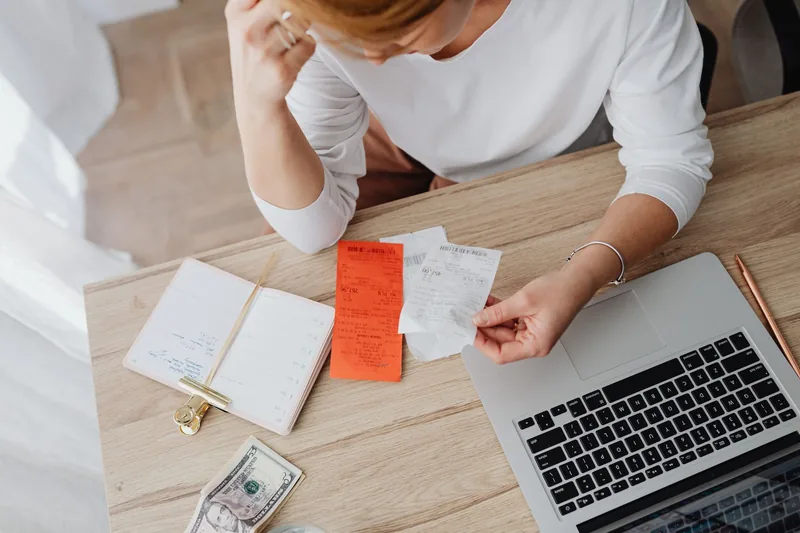
Say you spend $900 in a month and get 30 leads. That's $30 per lead. If 6 of those leads become paying customers, you paid $150 per customer. If a customer is worth $600 to you over the first year, that's a good trade. If a customer is worth $80, it isn't, no matter how cheap the clicks looked.
You can only do this math if you can see which leads came from which ad. That means the Meta Pixel on your site, ideally the Conversions API too, and a clean way to count real inquiries. Our guide to conversion tracking covers the setup, and it's the backbone of the marketing analytics work we do.
The other half of that math is follow-up. A lead that waits a day for a callback usually goes cold. Fast replies and automated follow-up are how the same ad spend produces more customers, which is why we treat ads and lead generation as one system.
How to Lower What You Pay
- Go broad on the audience. Give Meta your area and a wide age range, and let it find buyers. Stacking a dozen interests usually raises costs.
- Leave placements on automatic. Advantage+ placements let Meta shift spend between feed, Stories, Reels and Explore toward whatever's cheapest.
- Refresh creative before it tires. When the same people see the same ad too often, costs creep up. Test a new version every few weeks.
- Fix the page the ad points to. If half your clicks bounce, you're paying double for every lead. Our checklist for landing pages that convert is the fastest fix.
- Add retargeting. People who already visited your site are cheaper to convert. Retargeting ads bring them back for a fraction of what cold traffic costs.
For the full list of leaks to plug, see our guide on how to lower your cost per lead. It's written around Google Ads, but most of the fixes apply to Instagram too.
Is Instagram Cheaper Than Other Channels?
Per click, usually yes. Per customer, it depends on what you sell. Instagram is great at creating demand: putting an offer in front of people who weren't looking for it yet. Search ads catch people who are already looking, so clicks cost more but buyers are closer to the finish line. Our breakdown of how much Google Ads cost runs the same math on that side.
Instagram is also one of the cheapest places to start testing. TikTok ads require a campaign budget above $50 a day before you've bought a single result. Meta lets you learn on less. Whichever channel you pick, the winners are the ones that track every lead and fix what the numbers show. You can see how that plays out in the work we've done.
Frequently Asked Questions
Want to know what Instagram ads would cost you?
Book a free 30-minute call. We'll look at your offer, your market and your tracking, then tell you what a realistic test budget looks like before you spend a dollar.
Book a Free Ads Review