Facebook & Instagram Ads for Small Business — Where to Start
Facebook ads for small business get a bad rap — usually from an owner who boosted a post once, saw nothing come of it, and swore off Meta for good. Run right, though, Facebook and Instagram ads are one of the fastest ways to put your offer in front of the exact people most likely to buy. Both platforms share a single ad engine — Meta's — so one campaign can reach someone scrolling Instagram over coffee and someone checking Facebook on their lunch break.
The difference between a money pit and a lead machine is almost never the creative — it's the setup. This is the no-BS starting point for paid ads on Meta: where to begin, what to have in place before you spend a dollar, and how to run your first campaign without lighting your budget on fire.
Why Meta Ads Work for Small Businesses
Between Facebook, Instagram, and Messenger, Meta's advertising platform reaches billions of people every day — and, more importantly, it knows an enormous amount about what they care about. For a small business, that means you can put a $20 offer in front of "homeowners within 15 miles who recently searched for remodeling ideas" instead of paying to reach everyone.
Unlike search ads, which catch people the moment they go looking, Meta ads create demand. You're interrupting the scroll with something good enough to stop it. That makes them ideal for offers people don't know to search for yet — a new class, a limited promo, a service they didn't realize they needed. It's the paid half of a healthy mix; the organic half is your social media marketing, and the two feed each other.
Facebook or Instagram — Which Do You Start With?
Here's the good news: you don't have to choose. Because both platforms run through Meta Ads Manager, a single campaign can serve your ad on Facebook and Instagram, and Meta will automatically show it wherever it's performing best. Trying to guess the "right" platform up front is a rookie move — let the data decide.
That said, know your audience. If you sell something visual — fitness, food, beauty, home, anything with strong before-and-afters — Instagram usually pulls its weight, and our walkthrough of how to run Instagram ads takes a first campaign from setup through reading the results. If your customers skew 40+ or you're local and community-driven, Facebook often does the heavy lifting. Start with both on, then read the numbers after a couple of weeks and shift budget toward the winner.
Set Up These Three Things First
Ninety percent of wasted ad spend traces back to skipping this part. Before you touch a "Boost" button, get these three in place.
1. A real offer
"Follow us" is not an offer. "Book a free intro class," "$50 off your first service," "Download the pricing guide" — those are offers, because they ask for one clear action in exchange for something worth having. The single biggest lever on ad performance isn't your budget or your image; it's whether the offer is compelling enough to act on right now.
2. A defined audience
Meta lets you target by location, age, interests, and behaviors, and to build "lookalike" audiences that resemble your best existing customers. Start narrow enough to be relevant but wide enough for Meta to optimize. Getting the right people in front of the right offer is the whole game — it's the foundation of every lead generation system we build.
3. Conversion tracking
Install the Meta Pixel on your website (and set up the Conversions API if you can). Without it, you're flying blind — you'll know how many people clicked, but not how many booked, called, or bought. Tracking is what turns "we spent $600 on ads" into "we spent $600 and got 18 leads at $33 each." The pixel does one more job worth having: it builds the audience your retargeting ads run against, so the people who visited and left can be brought back later.
How Much Should You Budget?
You don't need a big budget — you need a focused one. Most small businesses can gather real, decision-worthy data on $15 to $30 a day. That's enough for Meta to find the people who respond and start driving your cost-per-result down. It's also why Meta is the sensible first channel: TikTok ads enforce a $50-a-day campaign minimum, so you can't test them nearly as cheaply.
What you'll pay per result depends on your industry and offer, but plan for a lead to cost anywhere from a few dollars to $30 or more. If you're also weighing search ads, it's worth understanding how much Google Ads cost so you can split budget between demand-creation (Meta) and demand-capture (Google) with your eyes open. Whatever you spend, resist the urge to fiddle daily — Meta needs roughly 50 conversions per ad set to exit its "learning phase" and optimize properly.
Write Ads People Actually Stop For
On Meta, the creative is the campaign. A few rules that hold up:
- Lead with the hook. The first line of text and the first frame of the image or video have to earn the pause. Speak to the problem, not your company.
- Look native, not corporate. Ads that feel like a normal post — real photos, real faces, a phone-shot video — usually beat polished, obviously-an-ad graphics.
- One ad, one idea. Don't cram five benefits in. Pick the single most compelling reason to act.
- Always run a few versions. Give Meta three or four variations and let it find the winner. You will be wrong about which one that is — everyone is.
Measure the Only Numbers That Matter
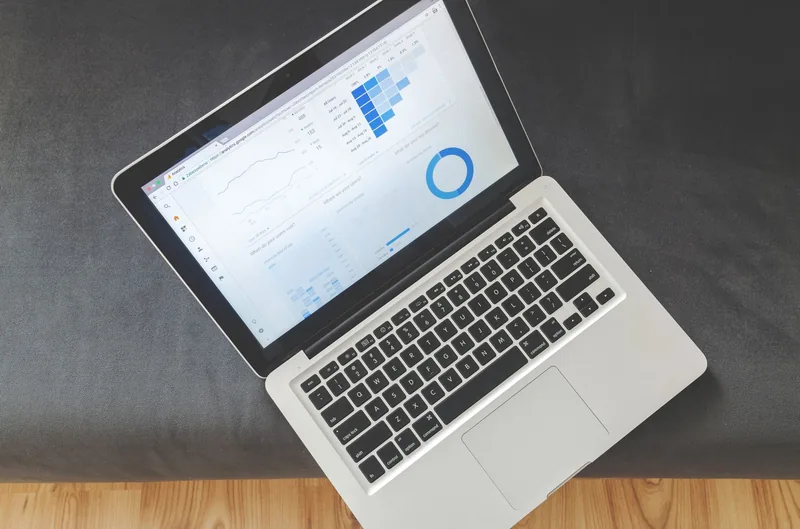
Ignore likes and reach. The metrics that tell you whether ads are working are cost per lead (how much you pay for each inquiry) and, once you can tie sales back to ads, return on ad spend — how many dollars come back for every dollar in. If a $33 lead turns into a $900 customer, you keep going. If it doesn't, you fix the offer, the audience, or the follow-up before spending more.
That last piece is where most small businesses quietly leak money: they generate leads and never follow up fast enough. Ads are just the top of the funnel — pairing them with a plan to get more customers online and automatic follow-up is what makes the spend pay off. Want to see how it comes together? Take a look at the work we've done across industries.
Frequently Asked Questions
Want Meta ads that actually bring in leads?
We'll look at your offer, your audience, and your tracking, and show you exactly where your Facebook and Instagram ad budget should go. Free, no commitment.
Book a Free Ads Audit