PPC Management — Should You Do It Yourself or Hire an Agency?
PPC management is the work of running pay-per-click ads after they launch: picking the searches you pay for, writing the ads, setting bids, cutting what's wasting money and scaling what works. Every small business that runs paid ads hits the same question sooner or later. Do I keep doing this myself, or do I pay someone to do it?
There's no universal answer, and anyone who says there is probably sells management. The honest version depends on your budget, your time and how much a wasted month costs you. If you haven't sized the spend yet, start with our breakdown of how much Google Ads cost, then come back here to decide who should be driving.
What PPC Management Actually Involves
Launching a campaign takes an afternoon. Managing it is the part that never ends. A well-run account gets attention every week, and the work looks something like this:
- Search terms. Reading the actual searches that triggered your ads and blocking the ones that will never buy. This is where most of the waste lives, and it starts with good keyword research.
- Bids and budget. Moving money toward the campaigns, keywords and times of day that produce customers, and away from the ones that don't.
- Ad copy and creative. Testing new headlines and images so the ads don't go stale, without tinkering so often the platform never settles. On Meta, every significant edit restarts the learning phase, which is why our guide to Facebook and Instagram ads says to change things on purpose, not every day.
- Tracking. Making sure every call, form and booking gets counted, so the platform optimizes toward customers instead of clicks.
- The landing page. Watching what happens after the click. Great ads pointed at a weak page just buy expensive bounces.
None of this is complicated on its own. The catch is that it has to happen consistently, and the platforms are built to spend your budget whether or not anyone is watching.
When Doing It Yourself Makes Sense
DIY is a legitimate choice, and for some businesses it's the right one. It usually works when:
- Your budget is small. If you're spending a few hundred dollars a month, a management fee can cost as much as the ads themselves. Learning on a small budget is cheap tuition.
- You have a few hours a week, every week. Not a burst of effort at launch. A standing block on the calendar to check search terms, results and spend.
- Your offer is simple. One service, one area, one clear action. A single search campaign for "emergency plumber near me" is far easier to run than a multi-platform funnel.
- You like the numbers. Owners who enjoy digging into data often make good in-house managers. Owners who dread it tend to stop checking, and that's when the money leaks.
If that's you, start narrow. Run one campaign on one platform, track conversions from day one, and give it a month before you judge it. Our walkthrough of Instagram ads takes you through a first campaign step by step.

Signs It's Time to Hire Help
Most owners don't decide to hire a manager on a calm day. They decide after a bad month. Watch for these earlier:
- You're spending real money and can't say what it bought. If you can't name your cost per lead or cost per customer, the account is running you.
- You haven't opened the account in weeks. Busy season, staff turnover, life. It happens. The ads keep spending anyway.
- Results have plateaued. The first campaign worked, but every attempt to scale it just raises costs.
- You're adding platforms. Google plus Meta plus retargeting ads is a system, and systems need someone watching how the pieces feed each other.
- Your time is worth more elsewhere. An hour spent fighting an ads dashboard is an hour not spent on sales, staff or service.
What Each Option Costs
You have three realistic ways to get your ads managed, and each has a different price tag and a different risk.
Do it yourself: $0 in fees. The real cost is your time, the learning curve, and the beginner mistakes that quietly spend money on the wrong searches.
A freelancer: typically $300 to $1,000 a month. A good one can be excellent value. Quality varies widely, and you're dependent on one person's schedule and skills.
An agency: usually a flat monthly fee or 10 to 20 percent of ad spend, which for a small business often lands between $500 and $2,000 a month. You get a team, broader platform experience, and usually help with the pieces around the ads, like tracking, landing pages and creative.
A full-time in-house hire rarely makes sense until you're spending well into five figures a month. Below that, you're paying a salary for a part-time job.
The right comparison isn't the fee. It's the fee against what it saves. A manager who cuts wasted clicks and raises your conversion rate can pay for themselves inside the same budget. One who just keeps the lights on is an expense. That's the lens we use when we run ads for lead generation: the job is a lower cost per customer, not a busier account.

How to Hire a PPC Manager Without Getting Burned
Most bad agency stories come down to a handful of avoidable mistakes. The same questions we recommend in our guide on how to choose an SEO company apply here, plus a few that are specific to paid ads.
Own your ad accounts. This is the big one. The account, the billing and the history should be in your business's name, with the manager added as a user. Google Ads has built-in access levels (Admin, Standard, Read-only, Billing and Email-only) for exactly this reason. Keep Admin for yourself and give your manager what they need to do the work. If you part ways, you keep years of data instead of starting from zero.
Ask who actually does the work. The person on the sales call is often not the person in your account. Ask to meet them.
Skip the long contract. Ads show whether they're working within a couple of months. A good manager earns the next month by performing. A 12-month lock-in protects the agency, not you.
Ask about the landing page. If they only talk about the ads and never about where the clicks land, they'll optimize half the funnel. The page matters as much as the ad, and it's the heart of conversion rate optimization.
Demand reporting in leads and customers. Impressions and clicks are the platform's numbers. Yours are calls, bookings, sales and what each one cost.
Read the Report Like an Owner
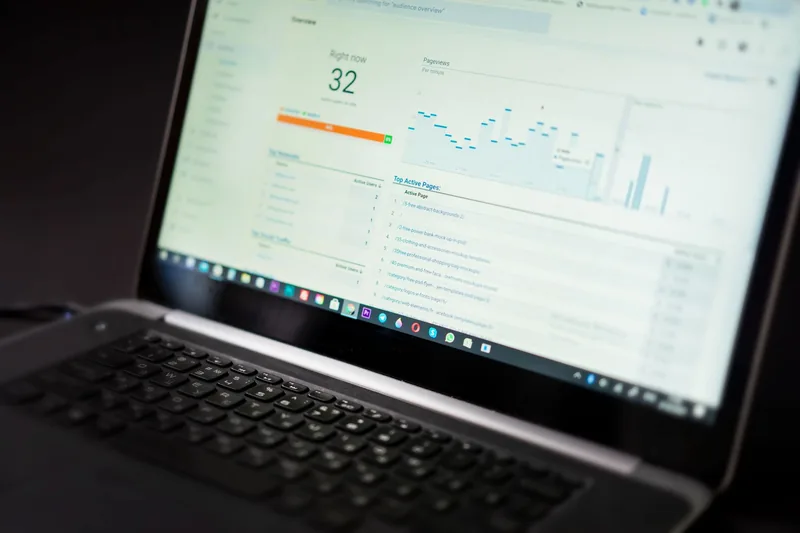
Whoever runs your ads, you should be able to answer three questions every month without logging in: how much did we spend, how many leads or sales did it produce, and what did each one cost? If the report can't answer those, the tracking isn't set up right, and no amount of clever bidding fixes that.
This is where marketing analytics earns its keep. When calls, forms and sales all flow into one view, you can tell a good month from a lucky one and a good manager from a busy one. It also makes switching managers painless, because the numbers live with you, not with them.
There's also a middle path. Some owners pay for a professional setup and a monthly check-in, then handle the day-to-day themselves. Others start DIY and bring in help once the budget justifies it. Either way, the decision gets easier once you know your numbers. If you want to see how we approach it across different businesses, the work we've done is a good place to start.
Frequently Asked Questions
Not sure whether to run your ads yourself?
Book a free 30-minute call. We'll look at your account, your budget and your goals, then tell you straight whether you need a manager or just a better setup. You own your accounts either way, and there's no long contract.
Book a Free Ad Audit