How to Get More Customers Online — Without Buying a Single List
Every business owner wants the same thing: more customers, coming in steadily, without having to chase them. The good news is you don't need a purchased email list or a roomful of cold-callers to get there. The customers are already online searching, scrolling, and comparing — the job is to be in front of them at the right moment and make it easy to say yes. That's the whole game behind lead generation, and it's more learnable than most owners think.
Bought lists are a trap. They're full of people who never asked to hear from you, they burn your sender reputation, and they convert at almost nothing. What actually works is building a handful of channels that bring in people who are already looking for what you sell. Here's how to get more customers online — the channels that matter, in the order most businesses should build them.
Start Where Buyers Already Are: Search
When someone needs a plumber, a gym, or a tax preparer, they don't post about it — they Google it. Showing up for those searches is the single highest-intent way to get customers, because the person typing already wants what you offer. That's why getting found on Google is the foundation. If you serve a local area, local SEO is where you start: a complete Google Business Profile, accurate listings, and steady reviews put you in the map pack right when nearby customers are ready to act.
Beyond the map, your website needs to rank for the things people search. That comes down to two things: knowing the words your customers actually use, and having pages that answer them. Spend an afternoon on keyword research to find those phrases, then build clear pages around them. If the whole topic feels foggy, our SEO for small business guide breaks the essentials down without the jargon. Search is slow to build, but once you rank you earn clicks every day for free — it compounds where everything else rents.
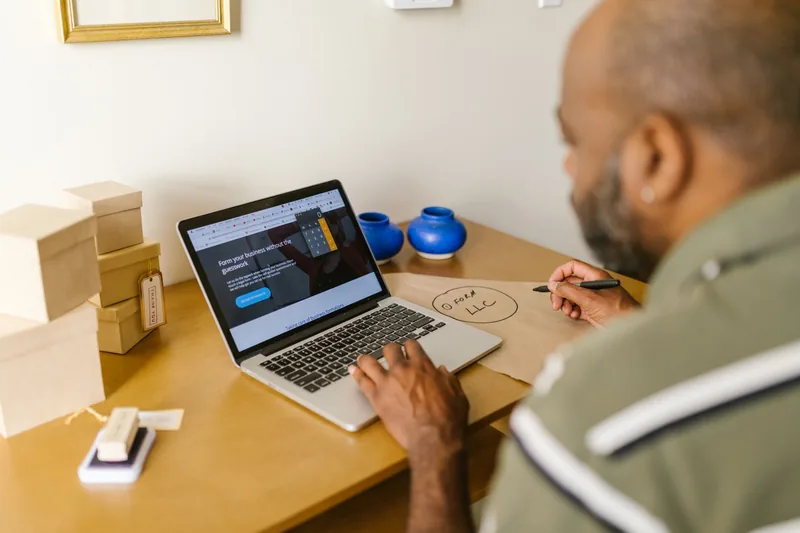
Turn Visitors Into Customers With a Site That Converts
Here's the mistake that quietly kills growth: pouring effort into traffic while ignoring what happens when people land. If your site is slow, confusing, or doesn't make the next step obvious, you're paying to send visitors somewhere that loses them. Getting more customers online isn't only about more traffic — it's about getting more out of the traffic you already have.
A site that earns business loads fast, says what you do in the first five seconds, and puts a clear call to action in front of every visitor. It answers the obvious questions and removes the friction between "interested" and "booked." We walk through exactly what that looks like in what your website needs to convert, and it's the heart of our web design work. Fix this layer and every other channel you run gets more efficient overnight, because more of the clicks you earn actually turn into customers.
Buy Speed With Paid Ads
SEO and content are a long game. When you need customers this month — a new location, a slow season, a launch — paid ads are the fastest lever you have. Google Ads put you in front of people searching for your exact service — it's worth knowing how much Google Ads cost before you set a budget. Meta and Instagram ads put you in front of the right audience before they've even started looking. Either way, you can turn them on today and have leads by the weekend.
The catch is that ads stop the second you stop paying — you're renting attention, not building an asset. So the smart approach is to run ads for the quick wins while your search and website work builds the durable base underneath. Over time that base lowers what you spend to land each customer. Watch your cost per lead closely, kill what isn't working, and double down on what is.

Stop Letting Leads Slip: Follow Up Automatically
Most businesses lose more customers in the gap after the first contact than anywhere else. Someone fills out a form, nobody replies for two days, and they've already booked the competitor. The fix is a follow-up system that runs without you. A simple email and CRM setup can text a new lead back within minutes, send a sequence that answers their questions, and nudge old leads who went quiet — all automatically. Most of these tools cost less than a single ad campaign; here's a plain-English breakdown of GoHighLevel pricing if you're weighing a platform.
This is the cheapest growth on the list because it squeezes more customers out of demand you already paid to create. The lead is already interested; you just have to be the business that actually shows up and follows through. Speed-to-lead and consistent follow-up routinely turn the same number of inquiries into noticeably more booked customers.
Let Happy Customers Bring You More
The most trusted marketing you have is your existing customers. Reviews, referrals, and the photos and posts people share about you do the convincing that no ad can. Make it easy: ask for a review the moment a job goes well, give a simple reason to refer a friend, and stay top-of-mind on the one or two social platforms where your customers actually spend time. None of it requires buying anything — it requires being worth talking about and making the ask.
Putting It Together
You don't need every channel running at once. Pick the foundation — get found in search and fix your website to convert — then layer ads on for speed and automation on for follow-up. That stack is exactly how we help businesses across industries turn online attention into booked, paying customers; you can see the work we've done for a sense of what it looks like in practice. Build it in order, measure what each channel costs you per customer, and the pipeline stops being something you chase and starts being something that runs. For the framework behind it, here's how to build a lead generation strategy step by step.
Frequently Asked Questions
Want a steady flow of customers — without the guesswork?
We'll map out the fastest path to more customers for your business — search, site, ads, and follow-up — and show you where the biggest opportunity is. Free, no commitment.
Book a Free Growth Audit