SMS Marketing — The Rules, the Messages, and What Actually Works
A text message gets opened within minutes. That's the whole appeal of SMS marketing, and it's also the reason the rules around it are stricter than anything else in your email and CRM automation stack. You're not asking for attention here — you're taking it, from a device someone keeps in their pocket. Get that trade right and it's the highest-response channel a small business has. Get it wrong and you're annoying, unsubscribed from, and potentially in real legal trouble.
Most guides skip straight to message templates. That's the easy part. What actually decides whether SMS works for you is consent, carrier registration, and restraint — none optional, and two of which will stop you sending at all if you ignore them. If the free channel isn't running yet, start with email marketing for small business; texting is what you add on top once you have a list and something worth saying.
Why Texts Get Read When Emails Don't
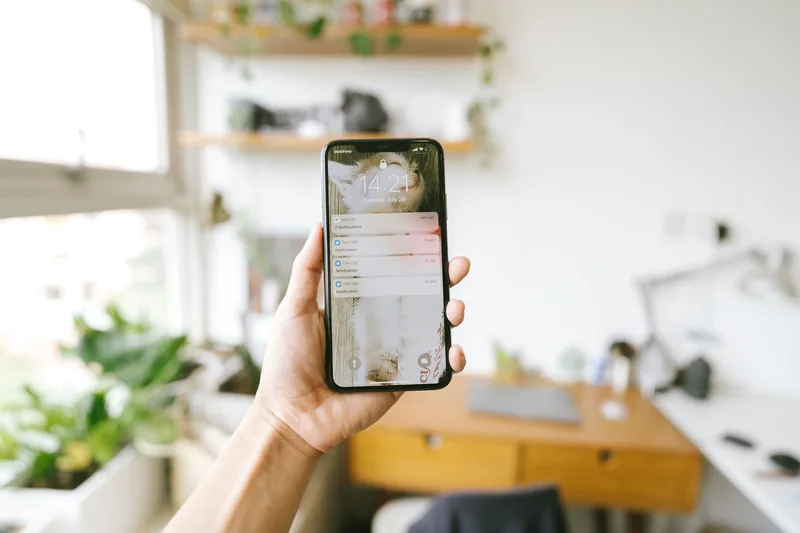
Email lands in an inbox someone visits when they choose to. A text lands on a lock screen, next to messages from their family. There's no promotions tab, no spam folder in the same sense, and no scrolling past it — the notification sits there until it's dealt with.
That's the advantage, and it comes with a hard limit: it only works while it stays rare. Every text you send spends a little of the goodwill that makes the channel effective. The businesses that do well with SMS aren't the ones sending the most — they're the ones who send four times a year and get a response every time because the customer knows a text from them means something is actually happening.
The Consent Rules Are Not a Formality
The Telephone Consumer Protection Act governs business texting in the US, and it has teeth — statutory damages run per message, which is how a sloppy list turns into a five-figure problem quickly. The FCC's own guidance on unwanted robocalls and texts puts it plainly: texts sent to a mobile phone with an autodialer are banned unless the owner of that phone already agreed to receive them, and commercial messages require that consent in writing. Informational messages — a booking confirmation, an order update — can rest on oral consent.
Three practical consequences most owners miss:
- A phone number is not consent. Someone giving you their number to confirm an appointment has not agreed to receive your Friday promotion. The permission has to be specific to marketing, and you have to be able to show when and how you got it.
- Opt-out has to work instantly, however it's phrased. The FCC is explicit that someone can revoke consent at any time and in any reasonable manner, even after previously agreeing. STOP is the standard keyword your platform handles automatically — but a reply saying "please stop texting me" counts too, and somebody has to be reading those.
- Watch the clock. Federal telemarketing rules put calls off-limits before 8 a.m. and after 9 p.m. in the recipient's local time, and the sane practice is to hold marketing texts to the same window. Several states run their own tighter rules on top, so if you sell across state lines, check the ones you're sending into.
None of this is legal advice, and if you're texting at real volume it's worth twenty minutes with someone who does this properly. But the working version is simple: get written permission, say clearly what you'll send, and honor every opt-out the moment it arrives.
You Have to Register Before You Can Send
Here's the step nobody warns small businesses about. US carriers require every business sending texts from a standard 10-digit number to register the brand and the campaign in advance — the A2P 10DLC system. This isn't a government rule; it's the carriers deciding what traffic they'll carry. Skip it and your messages get filtered or blocked outright, and you'll spend a week wondering why nothing is arriving.
What registration actually involves, from doing it repeatedly for clients: you need an EIN, the exact legal business name from your tax documents, a live website with a visible opt-in form, and published privacy policy and terms of service pages. Carriers check the site. If the privacy policy is missing, you get rejected — which is one more reason those pages belong in the original web design scope rather than bolted on later.
When we register a client through GoHighLevel it costs roughly $24.50 one time plus up to about $11 a month in carrier fees, with approval usually landing in one to seven business days. Most of that is a carrier pass-through, so the numbers land in a similar range whichever platform you use — the full breakdown of what the software itself costs is in our GoHighLevel pricing post, and if you're still choosing where to build, the best email marketing platforms rundown covers which ones handle texting well.
Building a List Worth Texting
An SMS list is small and expensive compared to an email list, and that changes how you should build it. You're not chasing volume — a thousand people who genuinely want to hear from you will outperform ten thousand who half-remember ticking a box.
The opt-ins that work are the ones attached to something the customer already wants: appointment reminders, a spot on a waitlist, first access to something that sells out, a delivery notification. Ask at the counter, at checkout, and on your booking form, and make the value explicit in the ask. This is the same discipline as the rest of your lead generation — the offer has to be worth the exchange, and the form it lives on has to work, which is where the rules for a website that actually converts apply just as hard.
Whatever you do, don't buy a list. Purchased numbers have no consent attached, which makes every message a violation, and carriers reject registrations that reference bought or rented lead lists in the first place.

What to Actually Send
A text has about 160 characters before it splits into a second segment and starts costing you double, so brevity isn't a style choice. Every message needs three things: who it's from, one specific thing, and one action. Nothing else fits.
What earns its place on a lock screen:
- Appointment reminders and confirmations. The single highest-value use of SMS for a service business. No-shows cost you real money and a text the day before kills most of them.
- Time-sensitive openings. A cancellation at 2 p.m. tomorrow, a table freeing up, a last spot in a class. Nothing else fills these fast enough to matter.
- Order and delivery updates. Genuinely wanted, and they keep your list warm without spending any goodwill.
- Occasional, actually-good offers. A real discount with a real deadline. Not "check out our new website."
What doesn't: newsletters, anything with a paragraph of context, anything that would be better as an email, and anything sent because it had been a while. If the message needs explaining, it isn't a text.
Cadence, and the Fastest Way to Get Muted
Two to four marketing messages a month is a reasonable ceiling for most small businesses, and plenty do better with fewer. Transactional messages — reminders, confirmations, updates — sit outside that count and can go out whenever the situation calls for one.
The number that tells you the truth isn't your click rate, it's your opt-out rate. Unsubscribes are permanent and each one costs you a customer you'd already paid to acquire, so a campaign that drives sales while quietly burning 4% of the list is not the win the report says it is. Track opt-outs per send alongside revenue, and treat a spike as the message it is. That's a marketing analytics habit more than a texting one, and it's what separates a channel that lasts from one that flames out in a quarter.

What It Costs
Expect a fraction of a cent to a few cents per segment depending on volume and provider, plus the carrier fees above and whatever your platform charges. Remember the segment math — a 200-character message is two segments and bills as two.
At those rates a 1,000-person list costs a few dollars a send, which is cheap enough that cost will never be what stops you. The restraint has to come from somewhere else.
Where to Start
If you're starting from nothing, do it in this order:
- Week 1 — get your EIN, privacy policy, and terms pages sorted, add a compliant opt-in checkbox to your booking or contact form, and submit your A2P registration. Nothing else can happen until this clears.
- Weeks 2–3 — turn on appointment reminders and confirmations only. No promotions yet. This builds the list, proves the plumbing works, and starts paying for itself through recovered no-shows.
- Month 2 — send your first marketing message to the people who've been getting reminders for a month. Watch the opt-out rate more closely than the sales.
That sequence gets you a channel your customers actually opted into, and it's slower than the one the software vendors describe. It's also the one that still works in a year. If you'd rather hand the registration and the build to someone who's done it before, the work we've done is an honest sample of how we set these up.
Frequently Asked Questions
Want texting set up without the compliance headache?
Book a free 30-minute call. We'll walk through whether SMS is worth it for your business, and if it is, we handle the registration, the opt-in flow, and the automations — no pitch deck, just a real conversation.
Book a Free Email & SMS Call